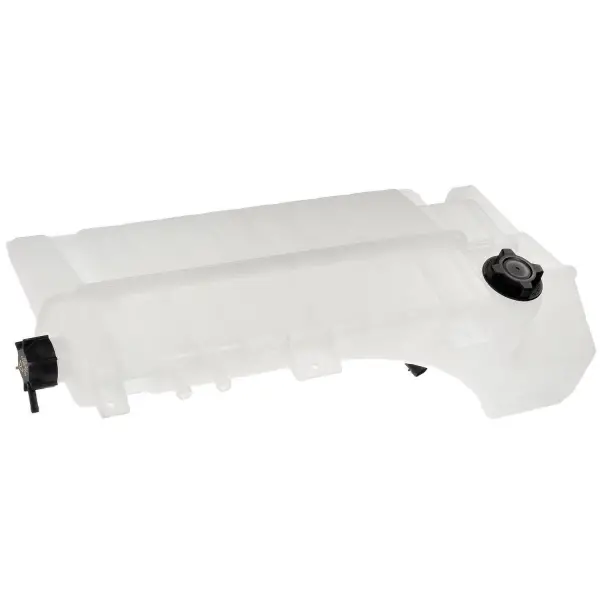
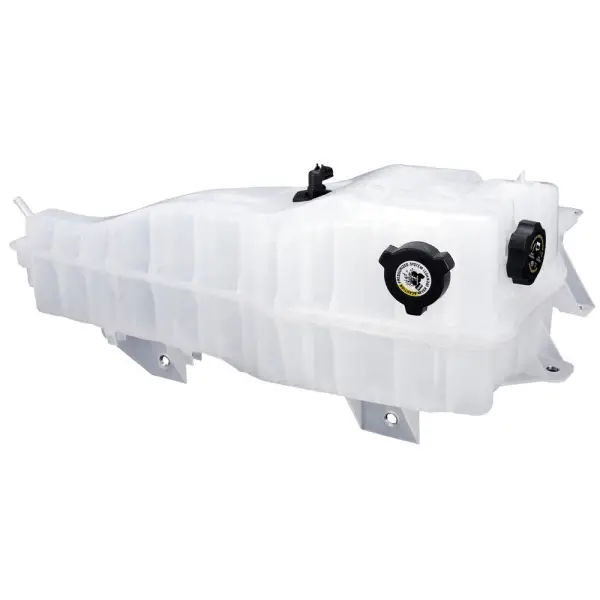
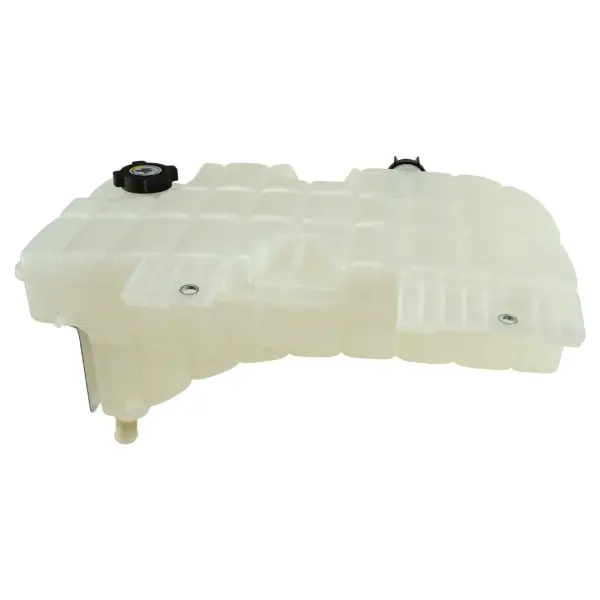
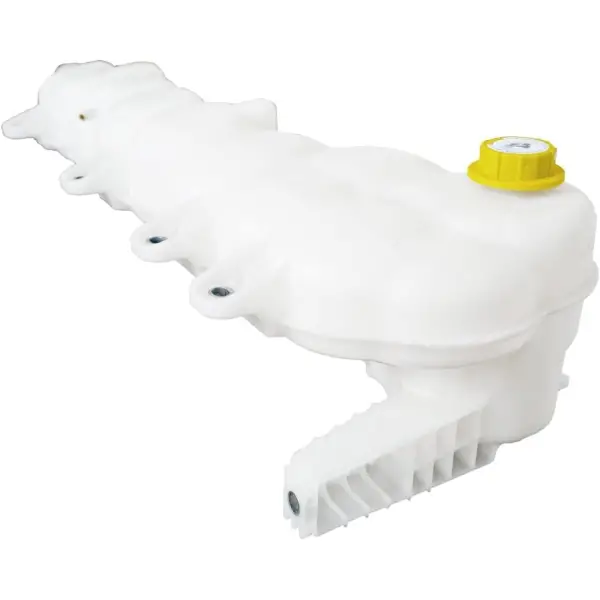
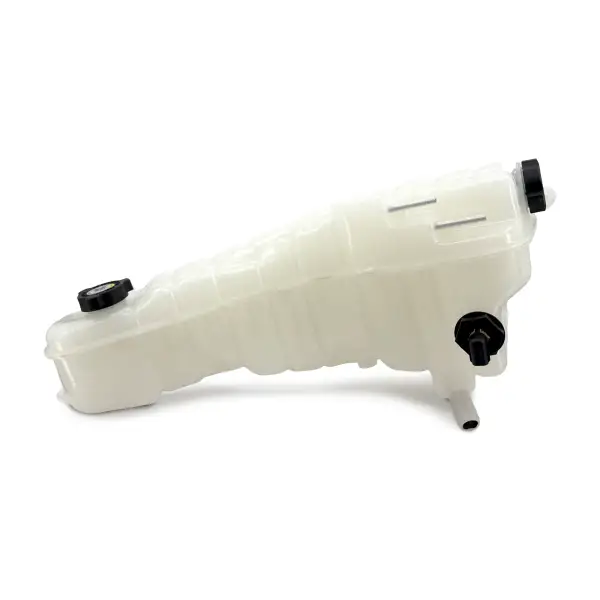
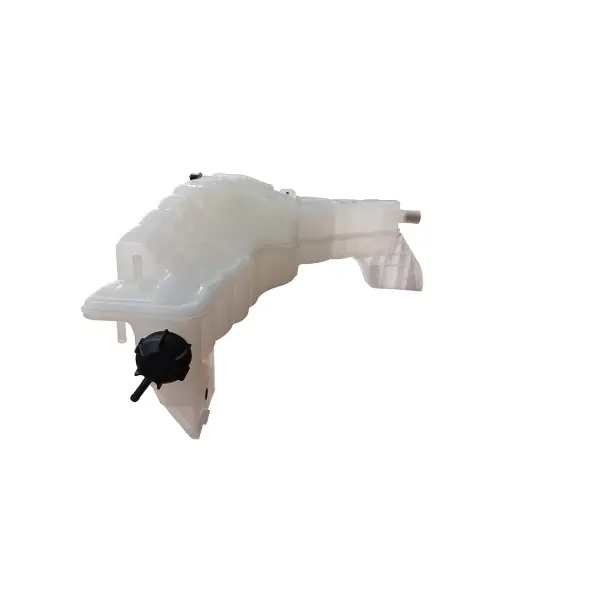
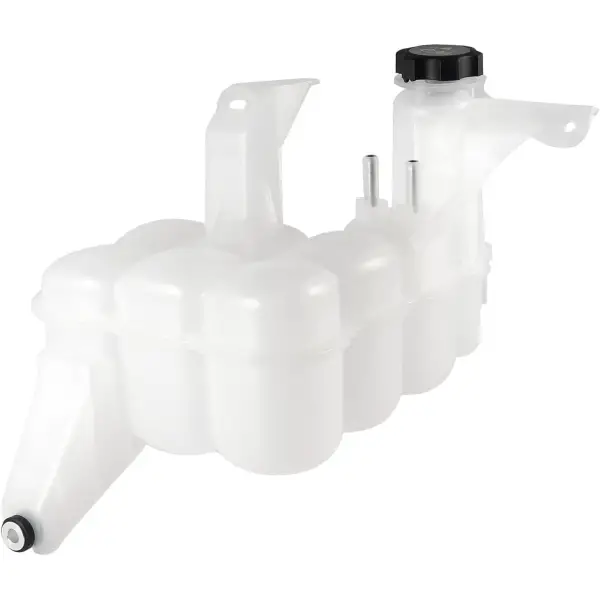
The most important operation performed on vehicles during the winter months is the addition of coolant to the radiator water. This process, which prevents the engine from freezing and overheating, can also be done in summer. However, the amount of coolant used in summer is extremely low. Coolant, which is a colorless alcohol type, helps to cool the engine and prolongs its life. Coolant, which has features that can lower the freezing point of the engine's cooling water, starts to increase the efficiency level of the circulation pump while ensuring the movement of water.
When added to the engines' radiators, coolant, which can also be used in the summer, helps prevent issues like corrosion, rust, and wear. When added to the cooling water, coolant, which is life-saving for vehicle engines, raises the boiling point and decreases the freezing point. The cooling system's metals and rubber hoses are unaffected by coolant.
When coolant is added to the cooling water at a rate of 35%, the freezing point of the mixture is reduced to -19 degrees. When 50% coolant is added, the risk of freezing of the engine water up to -38 degrees on average is eliminated. You can mix the coolant into the radiator in certain proportions according to the climatic conditions in it. In order to distinguish the transparent coolant from the color of normal water, some colorant is added to it.
When choosing coolant, you should also consider details such as engine protective properties, the characteristics of the water where you live, and the frequency of use of the vehicle. In addition, the type of coolant you used before is also important in your new choices. It should never be mixed with the old coolant in order not to lose the engine protective properties of the new coolant that you will use.

 Clearance
 Air Brake Components
 Air Filters
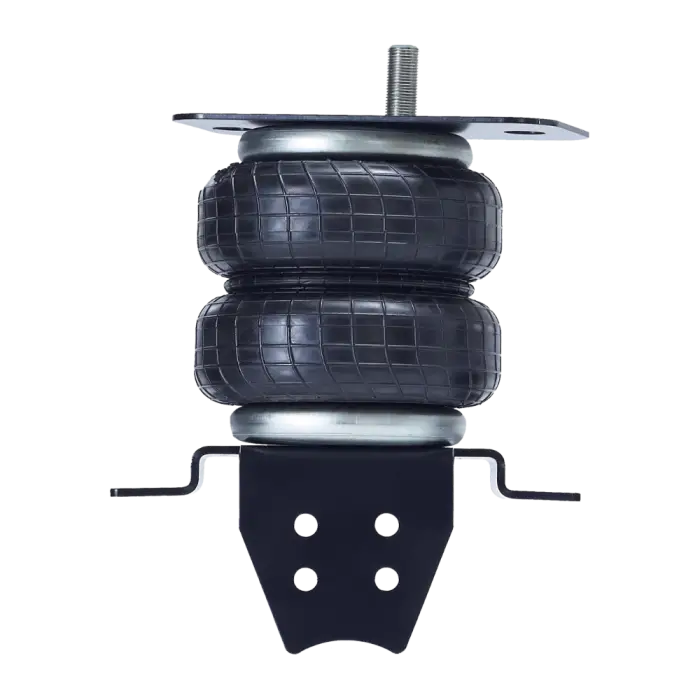
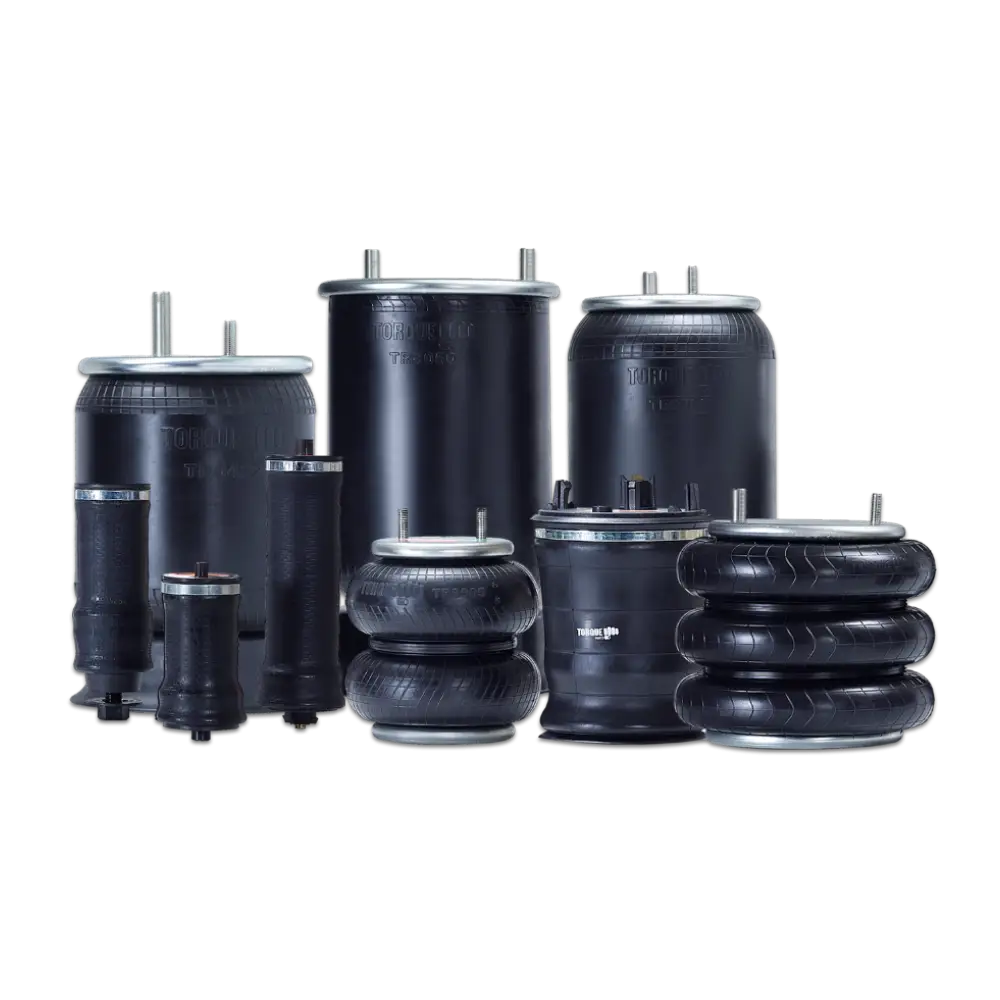 Air Springs
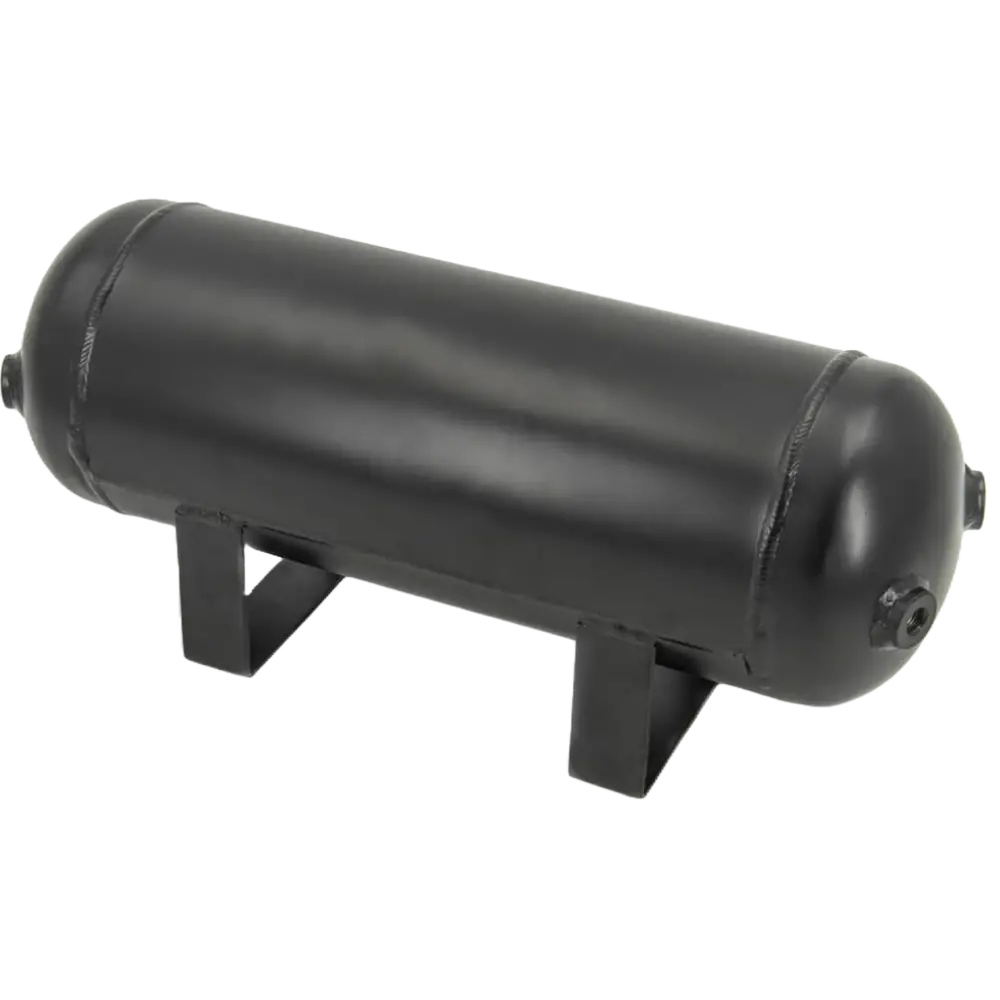 Air Tanks
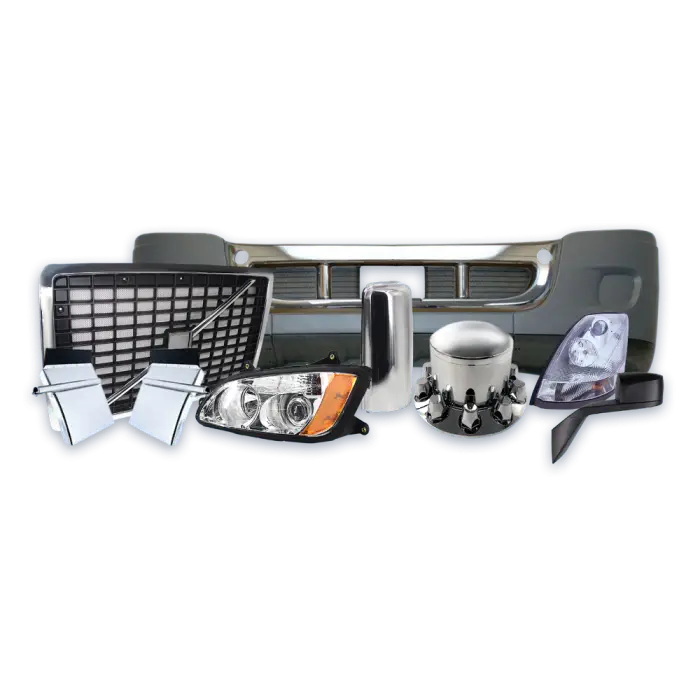
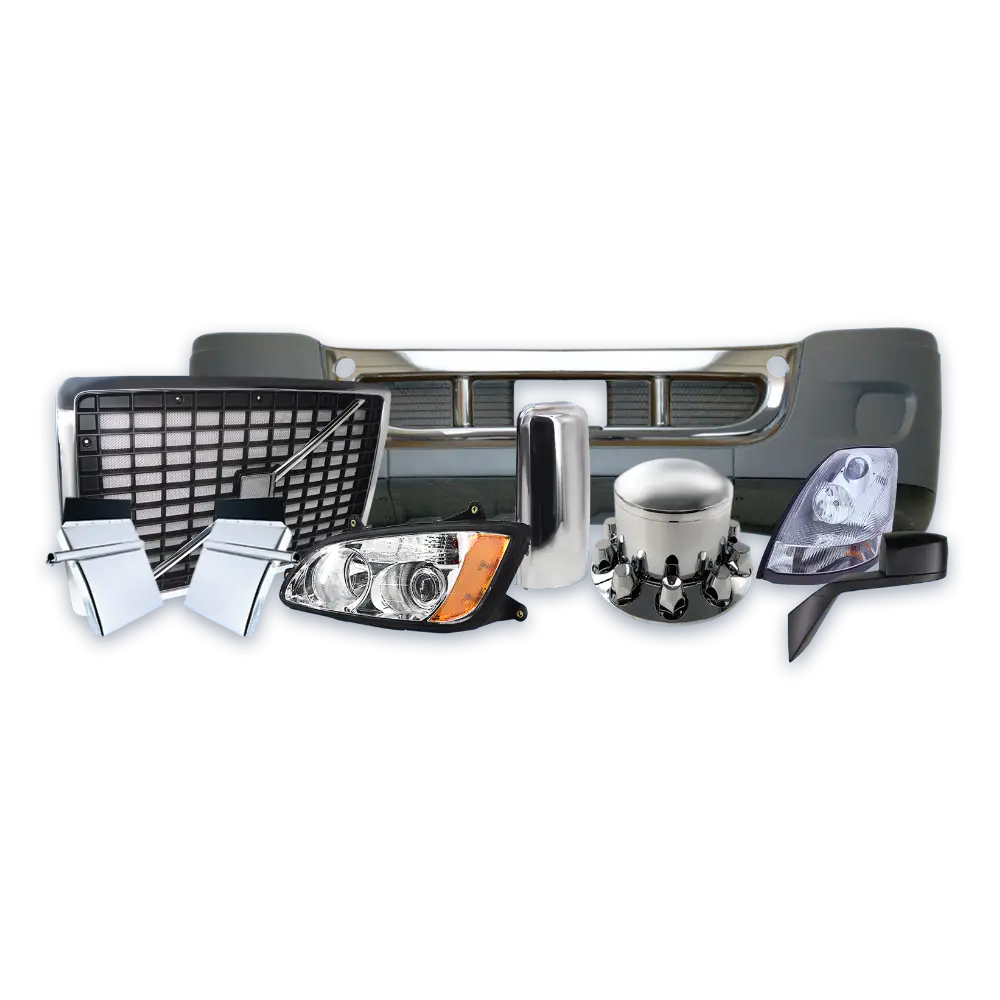 Body Parts
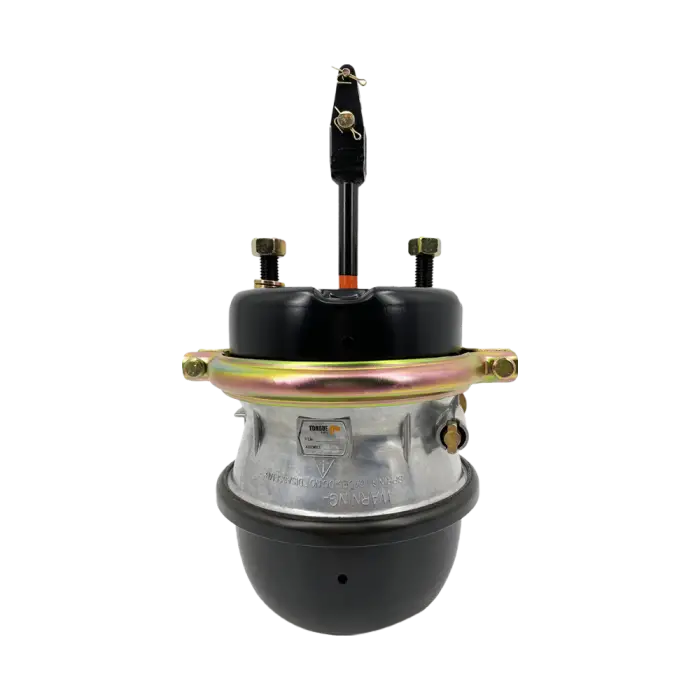
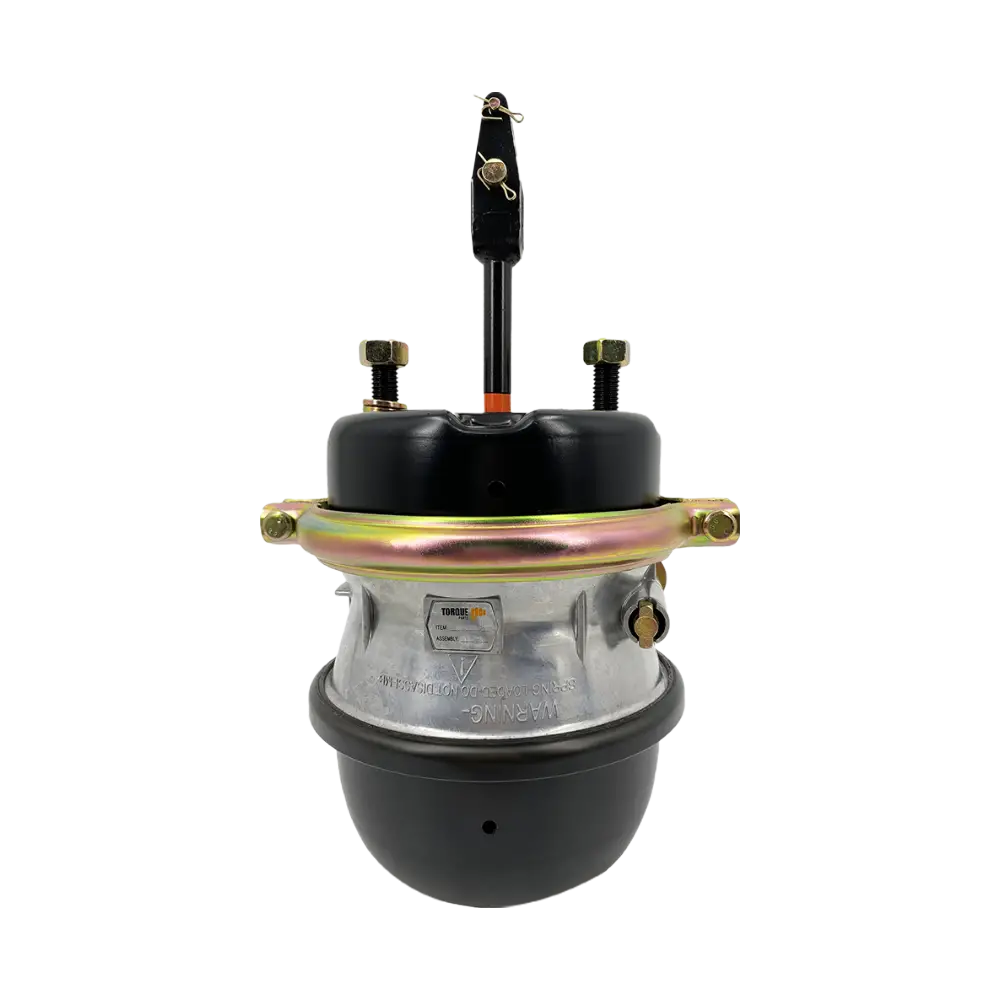 Brake Chambers
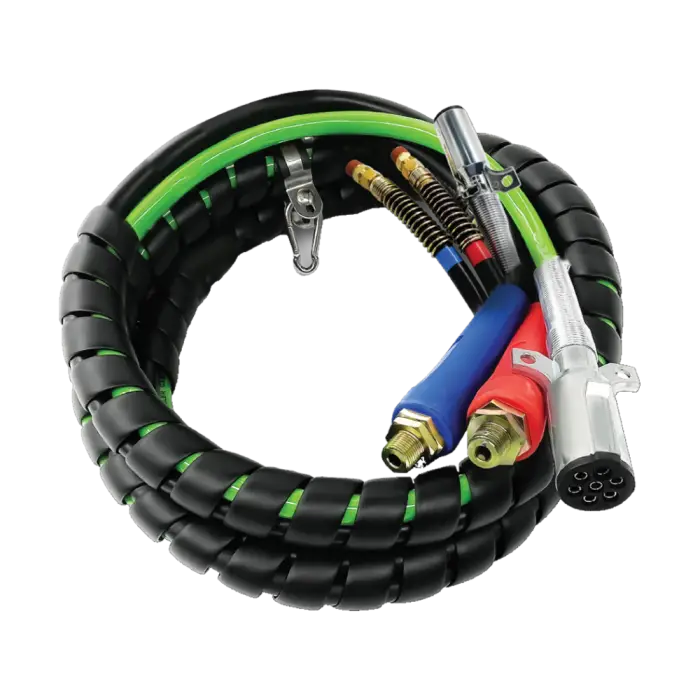
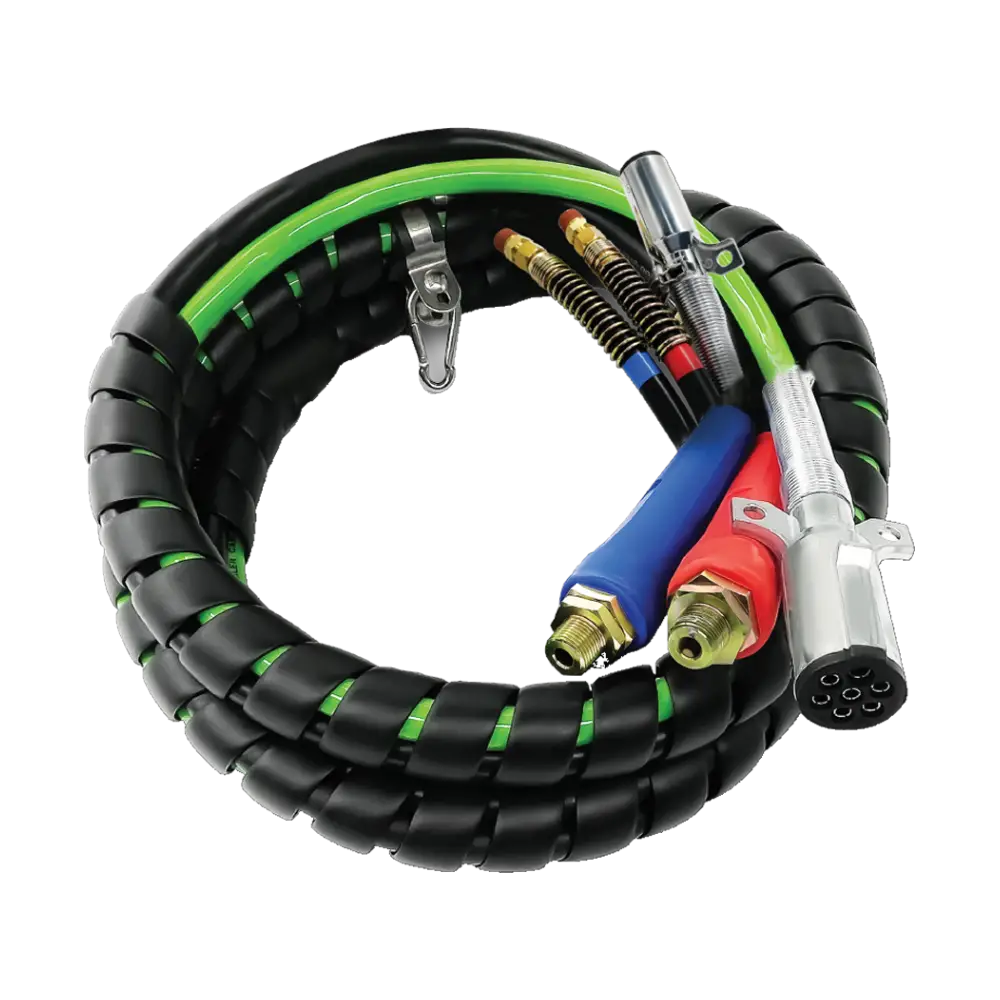 Cables & Coils
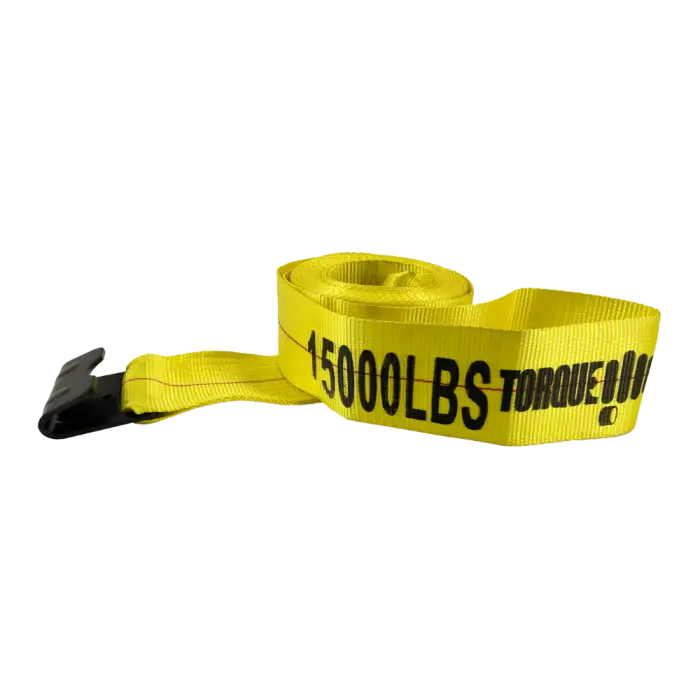
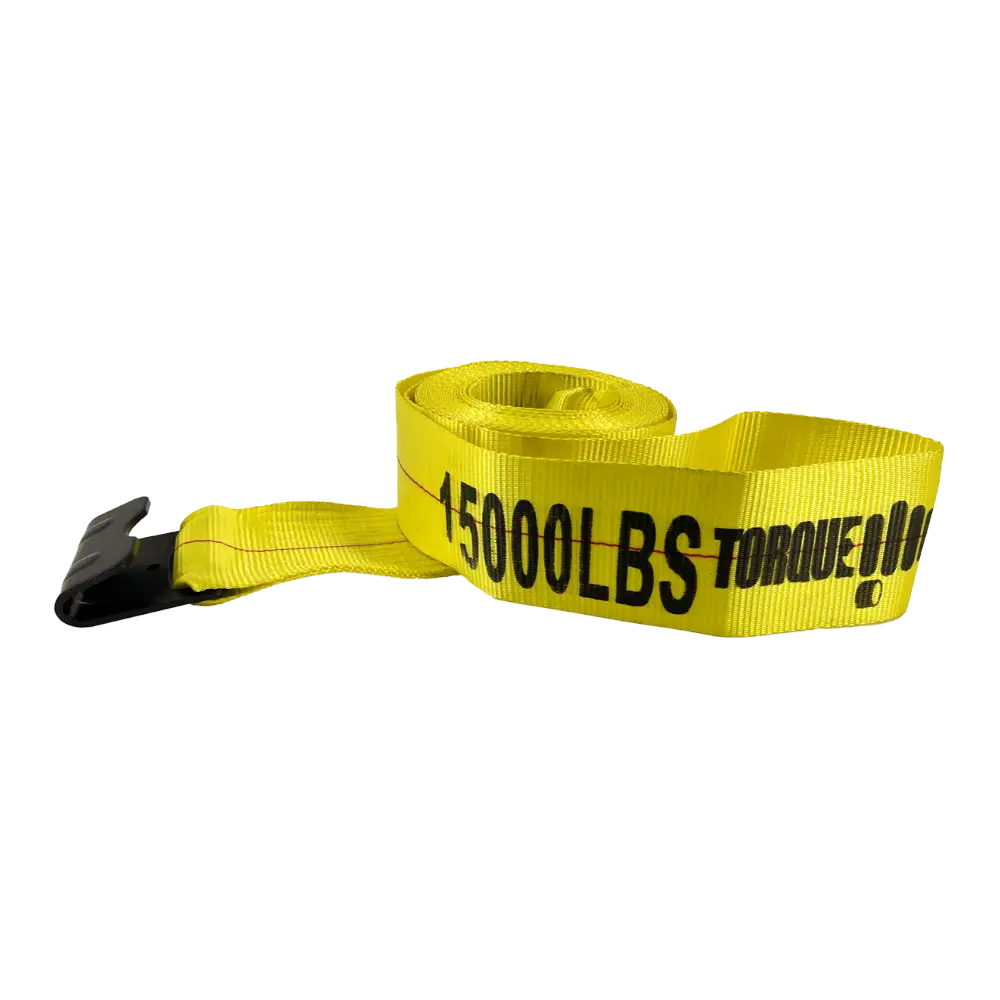 Cargo Stabilizer
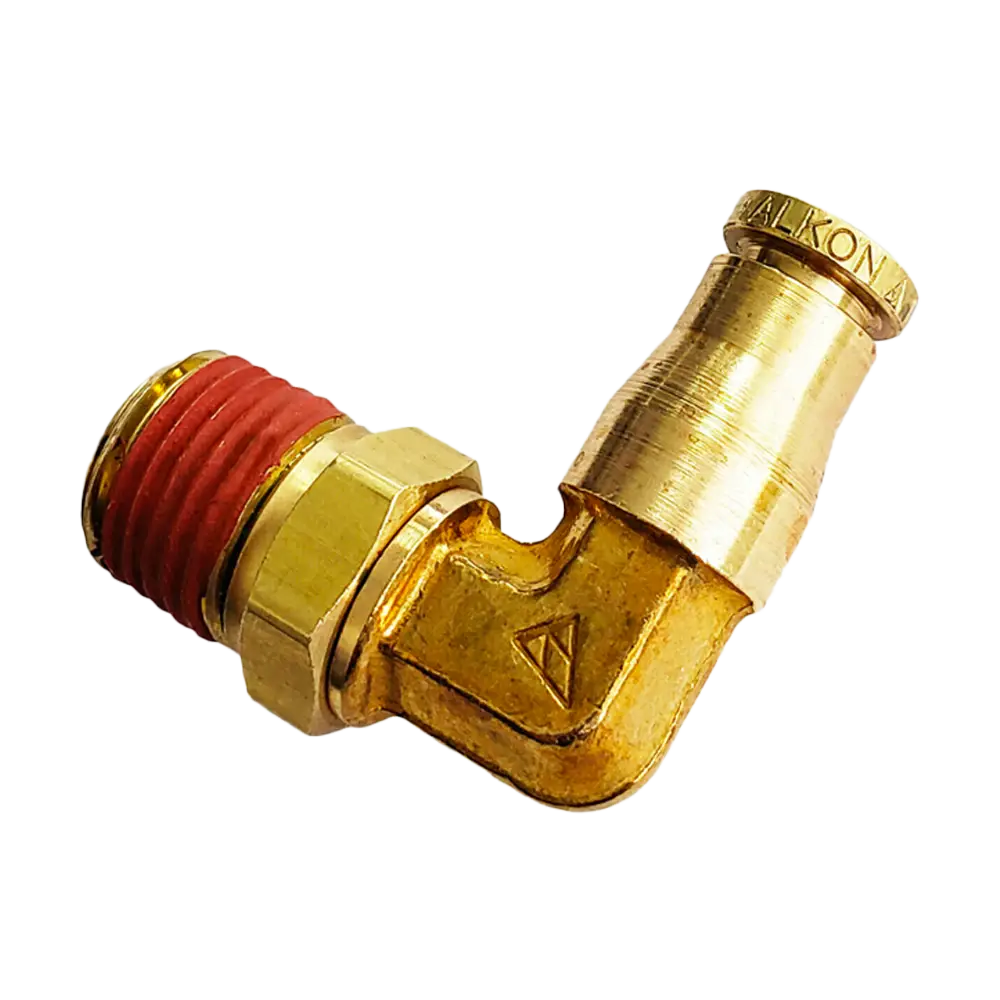 Hardware and Fittings
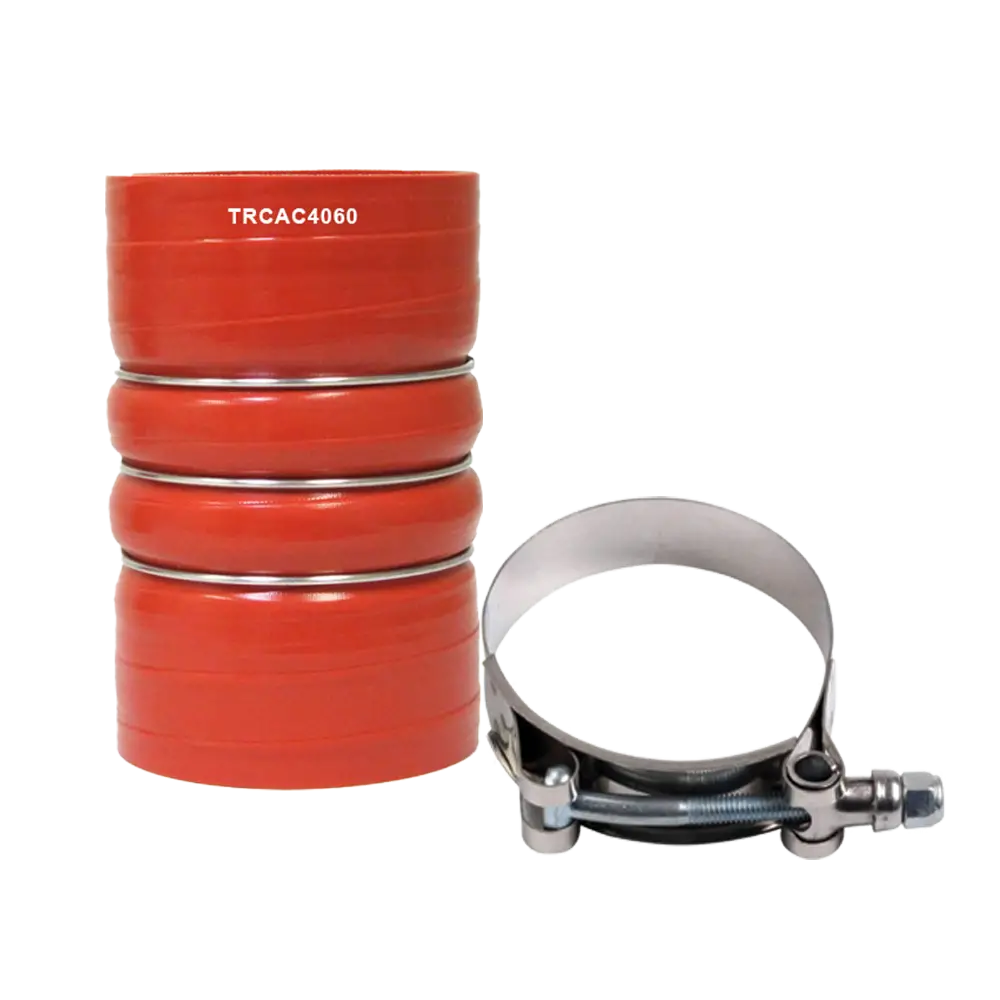 Hoses & Clamps
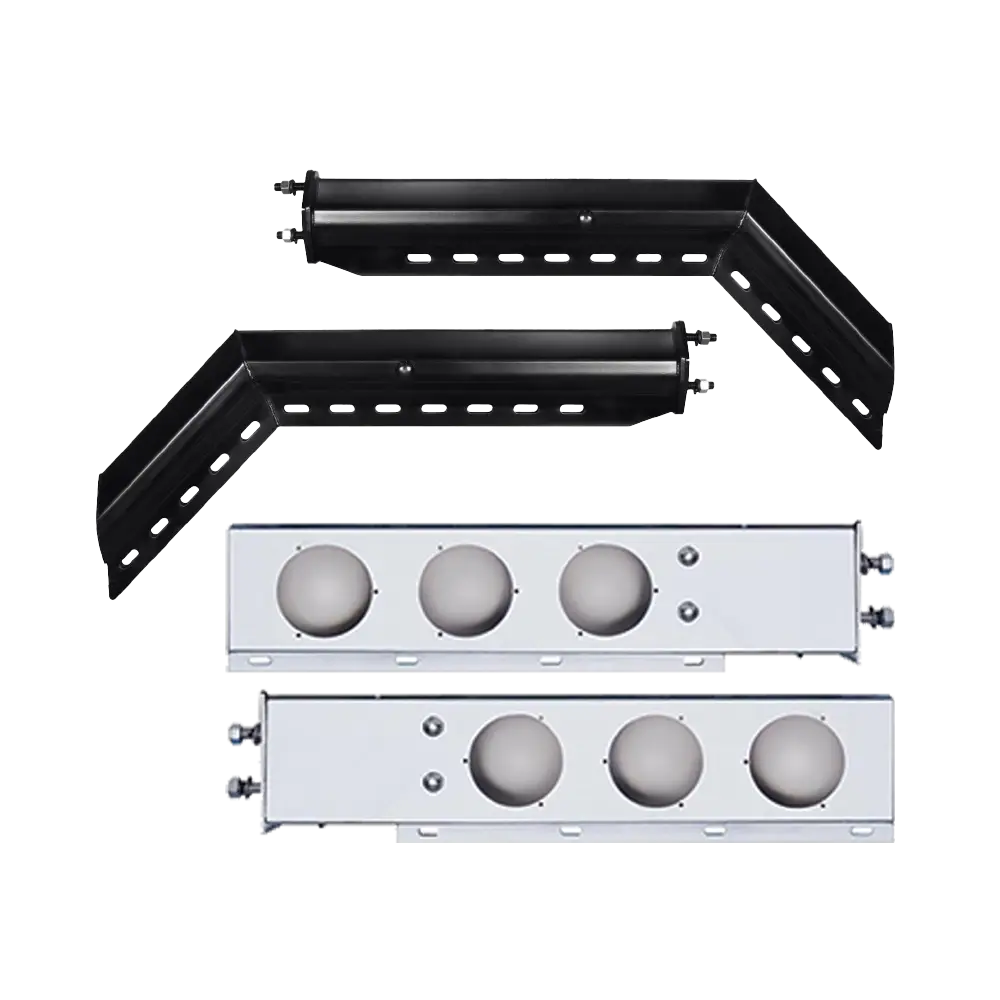 Mud Flap Hangers and Fenders
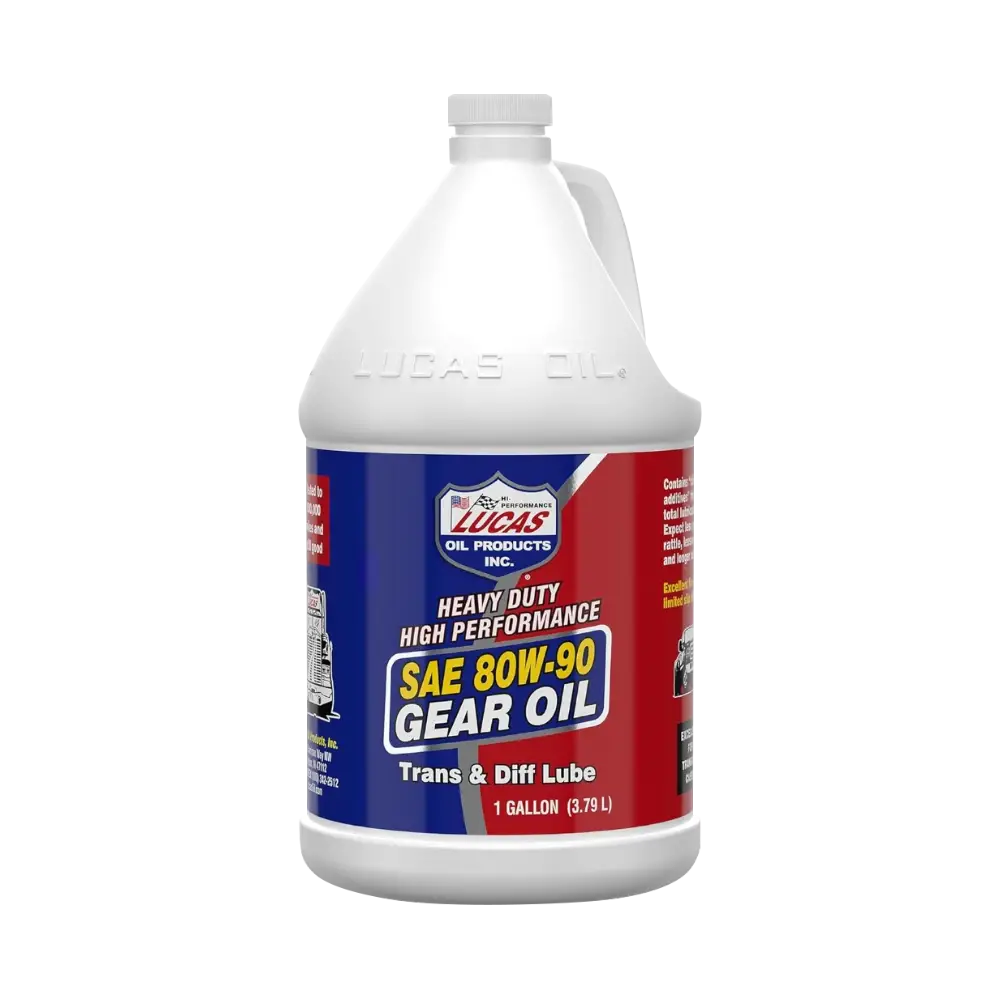 Oils, Fluids and Chemicals
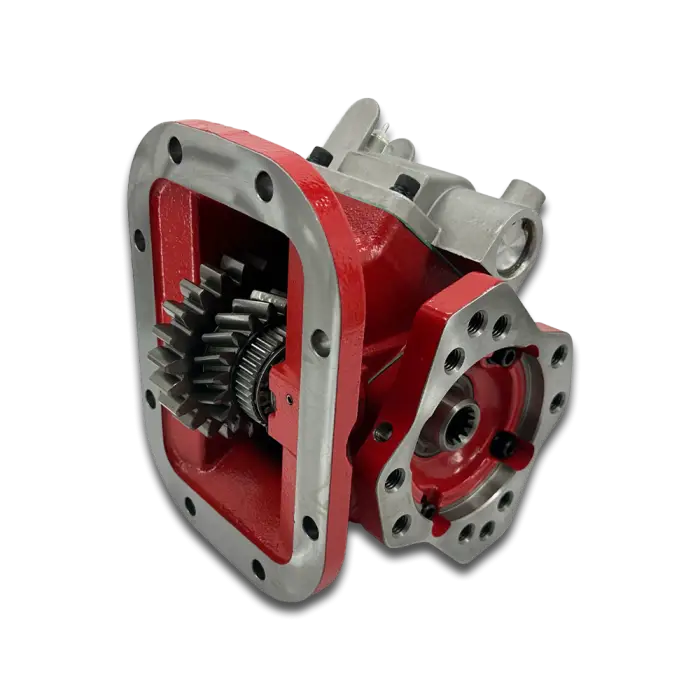
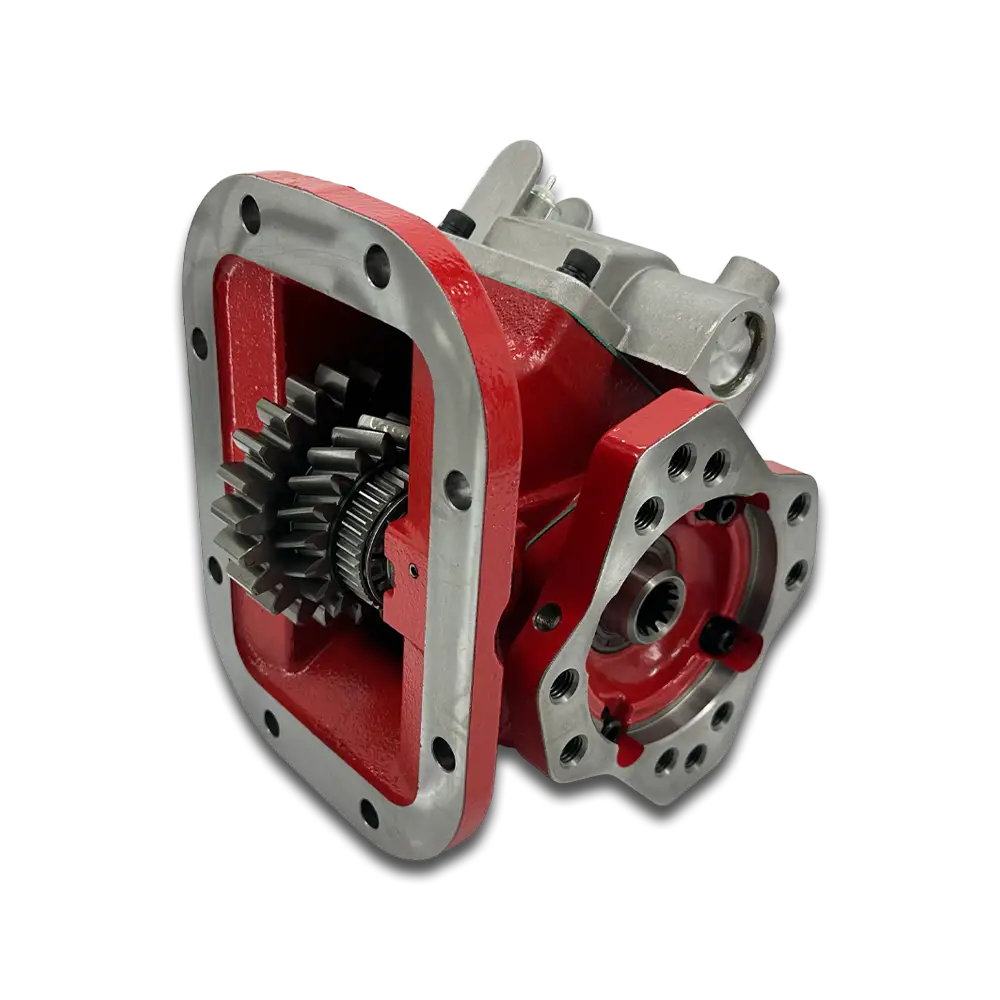 Power Take Offs
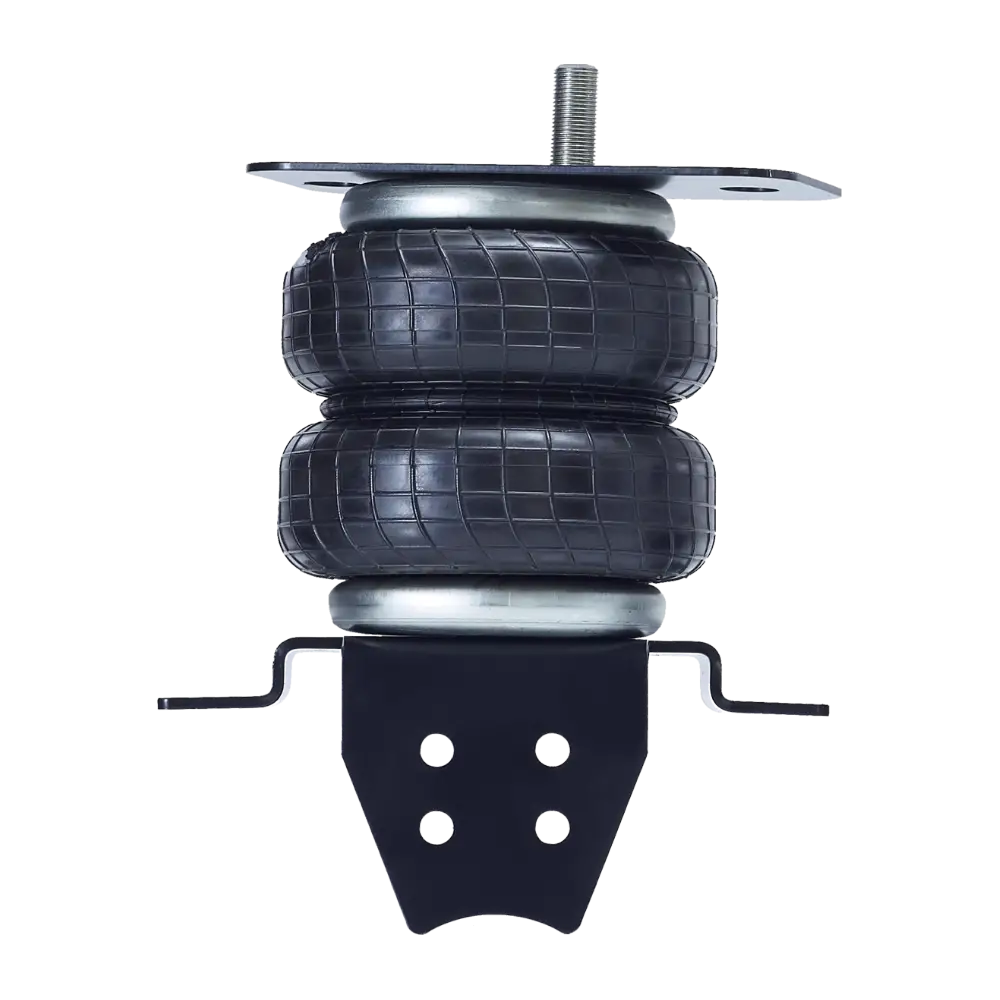 Suspension Support Kits
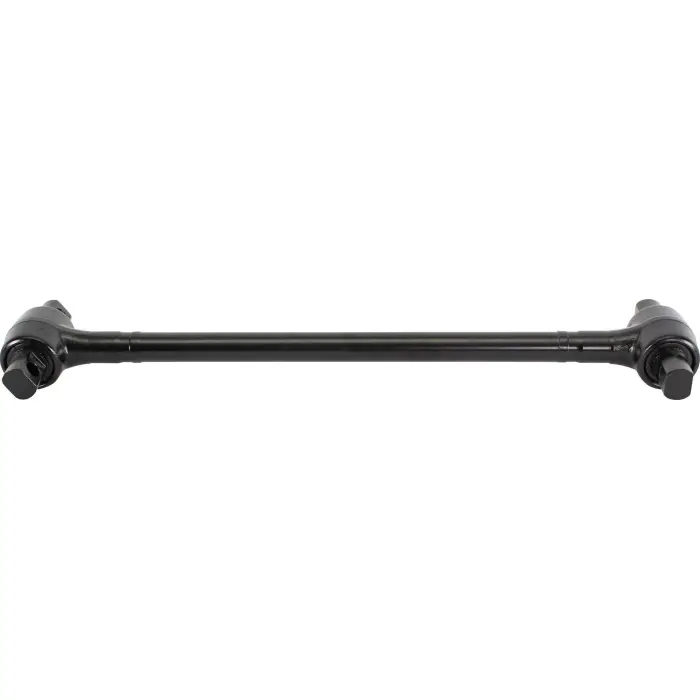
 Suspension & Steering
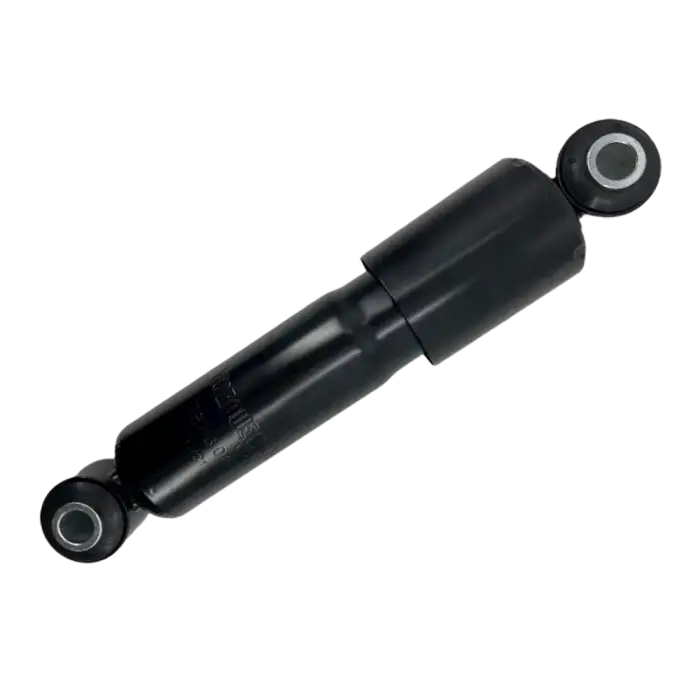
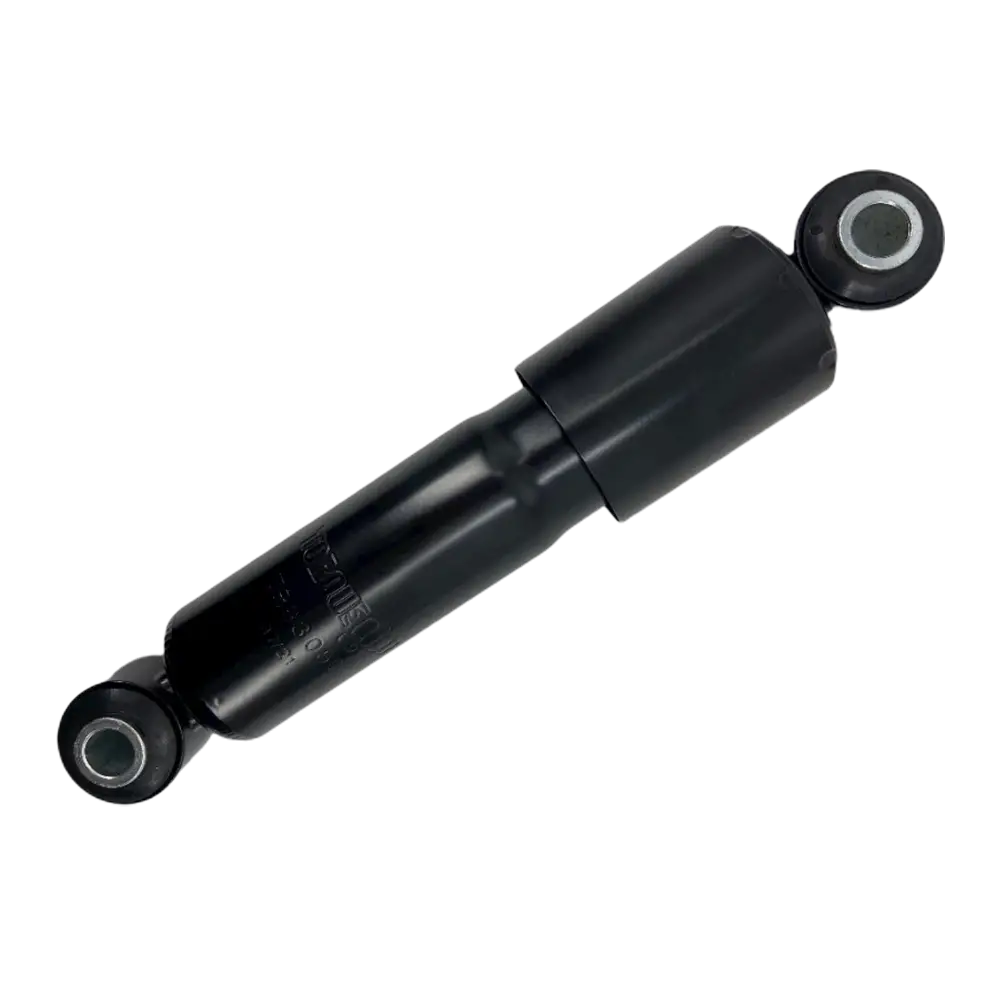 Shock Absorbers
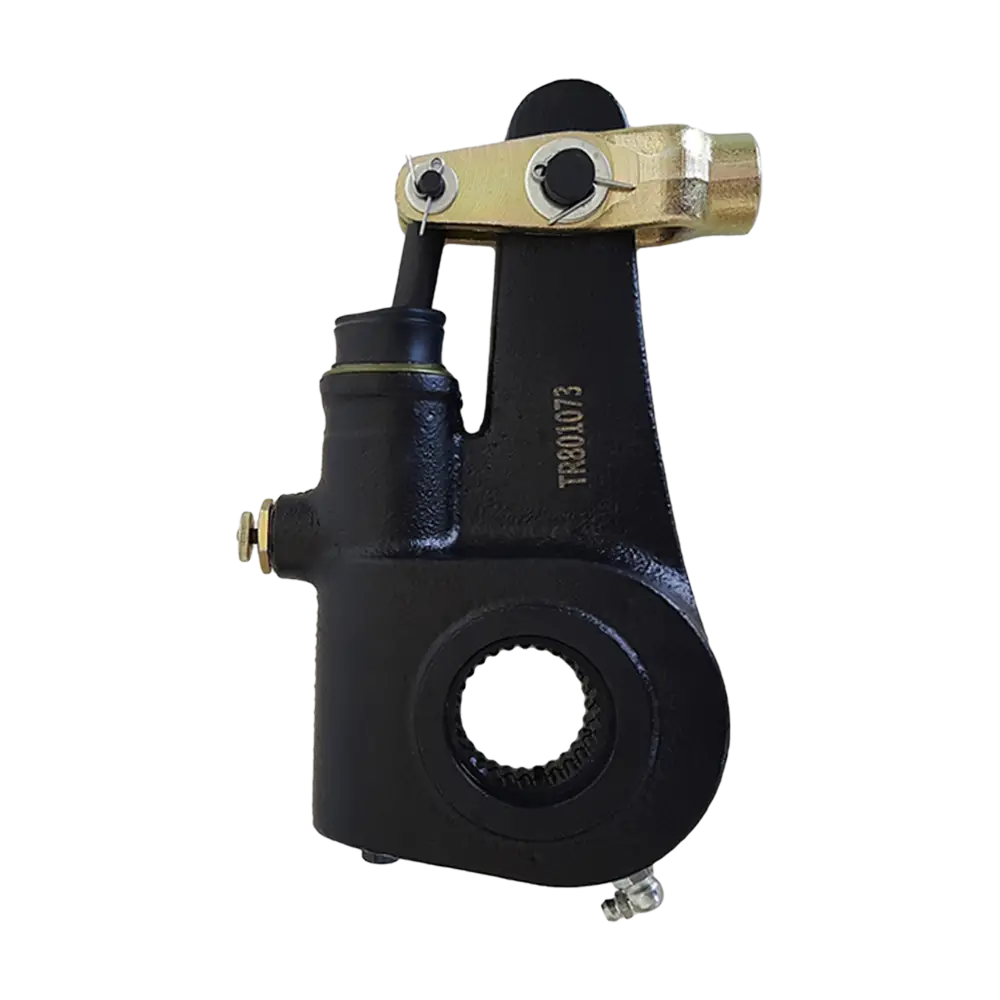 Slack Adjusters
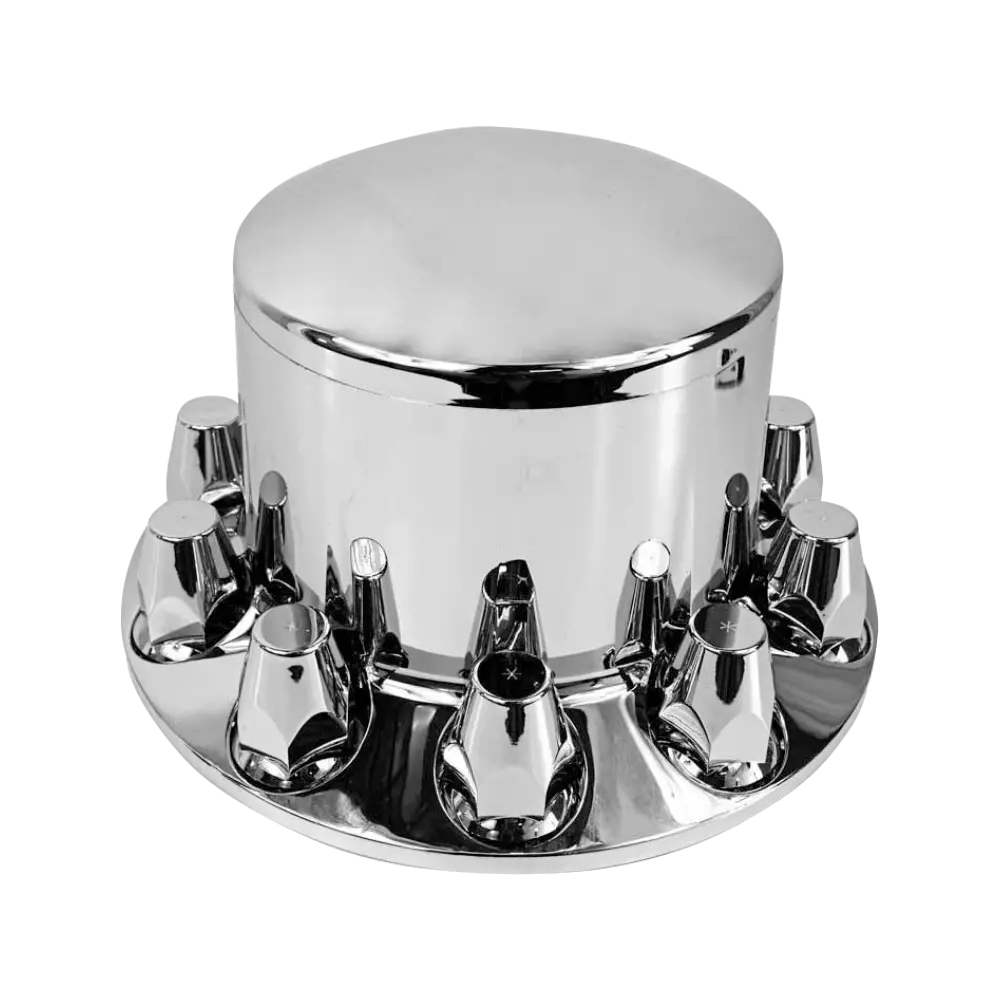 Truck Accessories
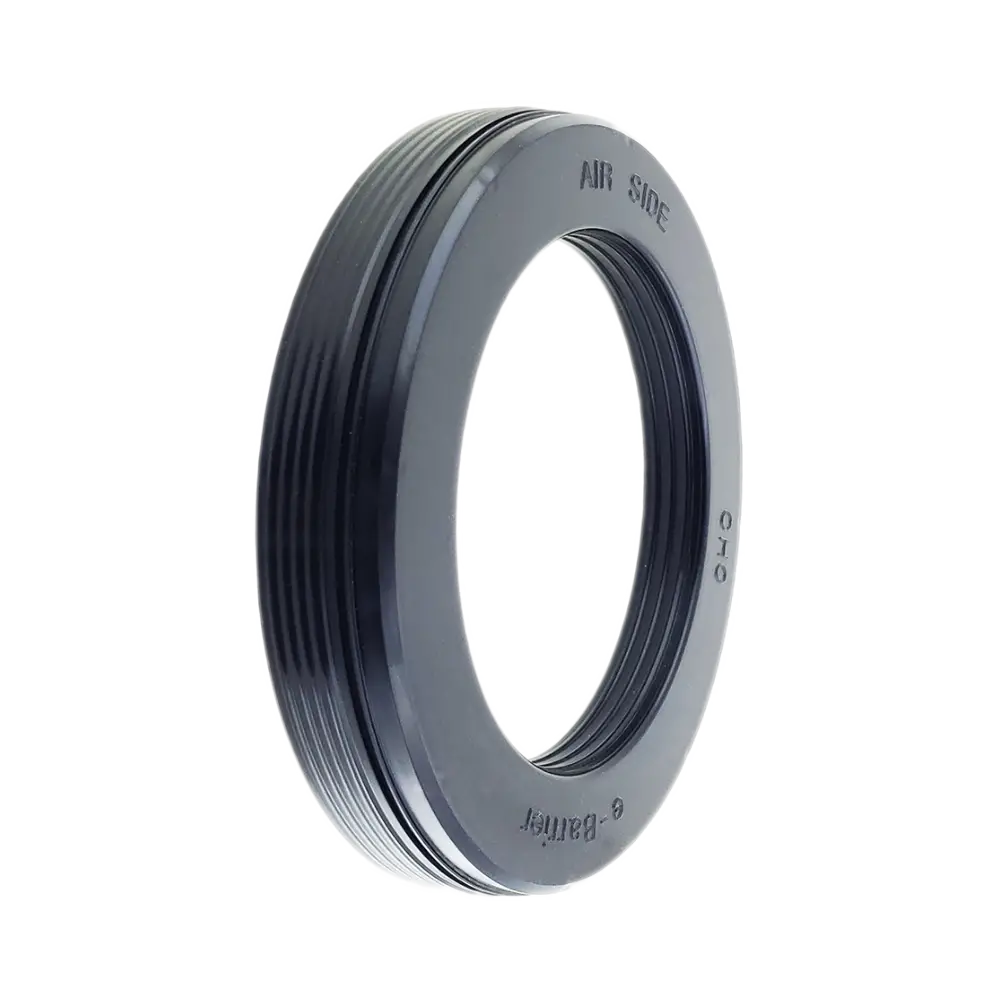 Wheel End Components
 Promotional Items